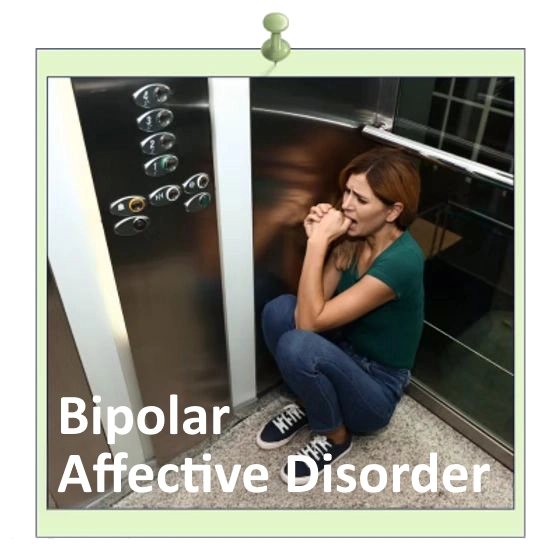
Bipolar Affective Disorder (commonly known as bipolar disorder) is a chronic psychiatric condition. Diagnosis is not based on a single symptom but requires adherence to international standards, combined with clinical interviews, mental state examinations, and a comprehensive evaluation of the patient’s overall condition.
Part I: Diagnostic Foundations
1. International Diagnostic Standards
Clinical practice primarily relies on two international systems:
- DSM‑5 (Diagnostic and Statistical Manual of Mental Disorders, Fifth Edition)
Developed by the American Psychiatric Association, widely used in psychiatric practice and research worldwide. - ICD‑11 (International Classification of Diseases, 11th Revision)
Developed by the World Health Organization, serving as the global medical classification system.
While there are slight differences between DSM‑5 and ICD‑11, their core principles are consistent:
- Symptoms must persist for a defined period.
- Symptoms must cause significant impairment in daily life, work, or social functioning.
- Other medical conditions or substance‑related effects must be excluded.
2. Core Principles of Diagnosis
- Persistence: Symptoms must last beyond temporary mood fluctuations.
- Functional Impact: Daily functioning must be noticeably impaired.
- Exclusion: Other possible causes, such as endocrine disorders or medication side effects, must be ruled out.
Part II: Clinical Diagnostic Process
1. Clinical Interview
Psychiatrists conduct face‑to‑face interviews to gather a full medical and psychosocial history, including:
- Duration and pattern of symptoms
- Family history of psychiatric illness
- Life events and stressors
- Past treatment experiences and responses
- Social support systems
Interviews are not only for information gathering but also for building trust between doctor and patient.
2. Mental State Examination
During the interview, psychiatrists observe:
- Appearance and behaviour
- Speech rate and content
- Emotional expression and consistency with conversation
- Coherence of thought processes
- Attention and reaction speed
- Insight and judgment
This examination helps determine whether the patient’s mental state aligns with diagnostic criteria for bipolar disorder.
3. Rating Scales
To provide objective data, clinicians often use standardized scales:
- YMRS (Young Mania Rating Scale) – assesses severity of mania.
- HAM‑D (Hamilton Depression Rating Scale) – clinician‑rated, evaluates depression.
- BDI‑II (Beck Depression Inventory‑II) – self‑report, reflects subjective experience.
- MDQ (Mood Disorder Questionnaire) – screens for possible bipolar disorder.
Scales provide quantifiable data to support diagnosis and track treatment progress.
4. Auxiliary Tests
- Blood tests – to exclude thyroid disease, anemia, or other medical causes.
- Neuroimaging – to rule out structural brain abnormalities.
- Substance screening – to exclude drug or alcohol effects.
Part III: The Value of Professional Diagnosis
1. Necessity of Professional Assessment
Many people attempt online “self‑tests.” While these may offer preliminary insights, they cannot replace professional diagnosis because:
- Self‑tests cannot exclude other medical conditions.
- They cannot fully assess functional impairment.
- They lack professional observation and clinical judgment.
2. Value of Professional Diagnosis
- Accuracy: Combines clinical expertise with standardized tools.
- Comprehensiveness: Considers biological, psychological, and social factors.
- Safety: Identifies suicide risk early and enables timely intervention.
3. Educational Significance
- For patients: Understanding the illness reduces self‑blame and stigma.
- For families: Learning supportive strategies strengthens caregiving capacity.
- For society: Enhancing public awareness promotes early help‑seeking.
Conclusion
The assessment and clinical diagnosis of bipolar affective disorder is a rigorous, multi‑layered process. It integrates international standards, clinical interviews, mental state examinations, rating scales, and auxiliary tests to ensure accuracy and safety. Professional diagnosis not only guides appropriate treatment but also reduces stigma and fosters greater societal understanding and support for mental health.