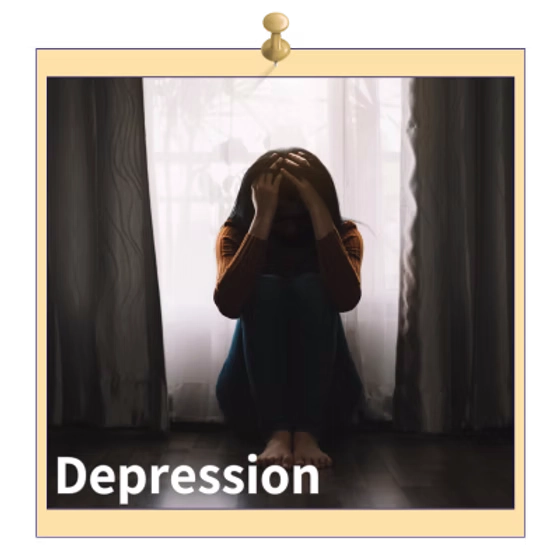
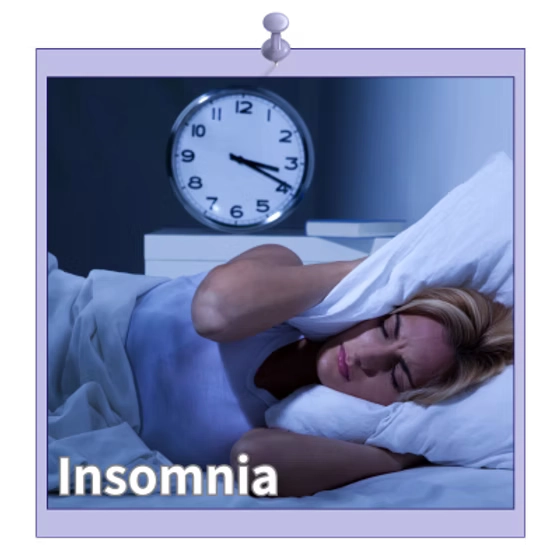
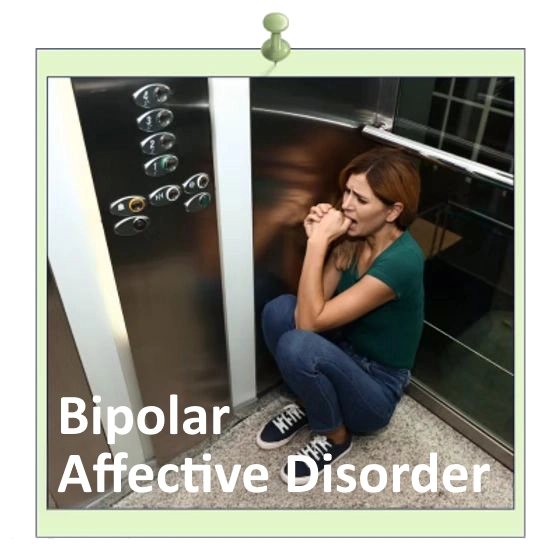
Bipolar Affective Disorder (also known as bipolar disorder) is a chronic psychiatric condition. Patients experience alternating episodes of mania (elevated mood, excessive energy) and depression (low mood, loss of motivation). This illness not only affects emotions but also has profound impacts on work, studies, relationships, and daily functioning.
I. Psychotherapy
Psychotherapy is a cornerstone of treatment for bipolar disorder, especially for mild cases or as an adjunct to medication. Through professional therapy, patients can better understand their emotional patterns, learn coping strategies, and reduce relapse risk.
1. Cognitive Behavioural Therapy (CBT)
– Core Concept: Thoughts, emotions, and behaviours are closely interconnected. Negative thoughts can trigger negative emotions, which in turn affect behaviour. Adjusting thought patterns can improve emotional responses and behavioural outcomes.
– Focus: Behavioural experiments and cognitive restructuring to reduce helplessness and self‑criticism.
– Suitable For: Patients with low mood, excessive worry, or self‑negation.
2. Interpersonal Psychotherapy (IPT)
– Core Concept: Emotions are closely linked to interpersonal relationships. Improving interactions can aid recovery.
– Focus: Addressing interpersonal conflicts, role transitions (e.g., unemployment, divorce), grief, and loss.
– Suitable For: Patients whose bipolar disorder is related to major life events or interpersonal stress.
3. Mindfulness‑Based Therapy
– Core Concept: Mindfulness practice enhances awareness of the present moment and reduces overreaction to negative emotions.
– Focus: Learning to accept emotions rather than resist them, lowering relapse risk.
– Suitable For: Patients with recurrent episodes or co‑existing anxiety symptoms.
4. Supportive Psychotherapy
– Core Concept: Providing emotional support, encouragement, and practical coping strategies.
– Focus: Establishing a safe space for dialogue to reduce feelings of isolation.
– Suitable For: Patients needing stable emotional support and lifestyle guidance.
II. Pharmacotherapy
Medication treatment is central to bipolar disorder, especially for moderate to severe cases. Medications effectively regulate neurotransmitters in the brain, stabilize mood, and reduce both manic and depressive episodes. All medications must be prescribed by a psychiatrist and adjusted according to therapeutic response and side effects.
Common Categories of Medications
- Mood Stabilizers
– Examples: Lithium, Valproate, Carbamazepine.
– Function: Reduce the frequency and intensity of manic and depressive episodes.
– Precautions: Regular blood tests are required to monitor kidney function, liver function, and drug levels.
2. Antipsychotics
– Examples: Olanzapine, Quetiapine, Risperidone.
– Function: Rapidly control manic symptoms and can also be used during depressive phases.
– Side Effects: Weight gain and metabolic changes; regular monitoring is necessary.
3. Antidepressants
– Examples: Sertraline, Duloxetine.
– Precautions: Must be combined with mood stabilizers to avoid triggering mania.
4. Other Medications
– Examples: Benzodiazepines, used short‑term for anxiety or insomnia.
– Precautions: Avoid long‑term dependence.
Duration of Treatment
In general, medication should be continued for at least 12 months or longer, with gradual adjustments under medical supervision. Patients should never stop medication on their own, as this may lead to relapse or worsening of symptoms.
III. Lifestyle Modification
Healthy lifestyle habits are a vital pillar of recovery. Even with psychotherapy or medication, lifestyle choices deeply influence the course of illness.
Recommendations
– Regular Exercise: 3–5 times per week, 30 minutes of moderate‑intensity activity (e.g., brisk walking, swimming, yoga).
– Balanced Diet: Eat more fruits, vegetables, whole grains, and quality protein; reduce high‑sugar and high‑fat foods.
– Adequate Sleep: Maintain consistent sleep schedules and avoid late nights.
– Limit Alcohol and Caffeine: Excessive intake may disrupt sleep and emotional stability.
– Build Social Support Networks: Stay connected with family and friends, join community activities or support groups.
The treatment of bipolar disorder is a multi‑layered, long‑term, and rigorous process. It integrates psychotherapy, pharmacotherapy, and lifestyle modifications to ensure accuracy and safety. Professional diagnosis and treatment not only help patients receive appropriate care but also reduce stigma and promote greater societal understanding and support for mental health.