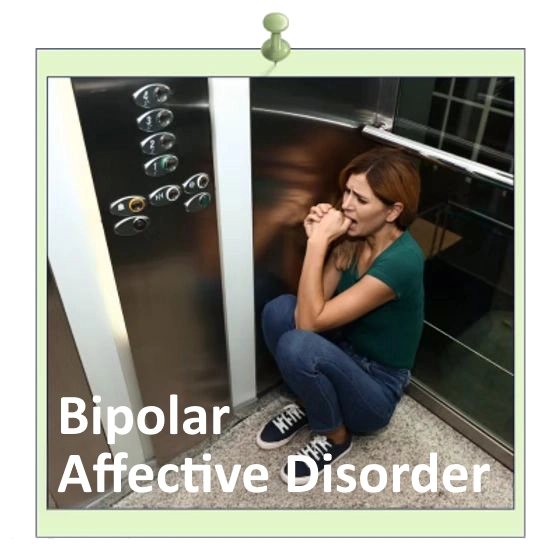
Bipolar Affective Disorder (also known as Bipolar Disorder or Manic–Depressive Illness) is a common and treatable mental health condition. It is not simply “moodiness” or “an unpredictable personality,” but rather a disorder involving brain chemistry and emotional regulation.
Individuals with bipolar disorder experience marked mood fluctuations between episodes of mania (elevated mood, high energy) and depression (low mood, loss of motivation). These shifts are not brief mood swings, but pathological changes significant enough to disrupt daily life, work performance, and relationships.
- During manic episodes, patients may show reduced need for sleep, rapid speech, racing thoughts, inflated self‑confidence, impulsive spending, or high‑risk decision‑making.
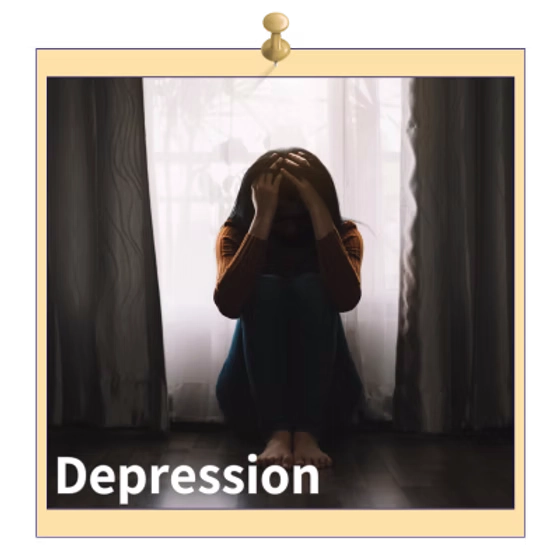
- During depressive episodes, they may experience persistent sadness, loss of interest in activities, fatigue, poor concentration, feelings of worthlessness, and in severe cases, thoughts of self‑harm or suicide.
These mood changes may last for weeks or months, or in some cases, shift rapidly within the same day—causing considerable distress for both patients and their families.
Prevalence and Diagnosis
According to the World Health Organization (WHO), approximately 1–2% of the global population will experience bipolar disorder in their lifetime. Local studies suggest that the lifetime prevalence in Hong Kong is around 1%.
Because symptoms are diverse and often overlap with other psychiatric conditions such as depression and anxiety, bipolar disorder is frequently misdiagnosed or diagnosed late, leading to missed opportunities for early treatment.
Treatment and Management
Bipolar disorder is treatable and manageable.
- Medication is a cornerstone of treatment. Mood stabilizers (e.g., lithium, valproate) and antipsychotic medications can effectively reduce the frequency and severity of mood episodes.
- Psychological therapies are equally important. Cognitive Behavioural Therapy (CBT), for example, helps patients identify and reframe negative thought patterns, establish healthier routines, and develop coping strategies.
- Lifestyle adjustments play a crucial role in long‑term stability: maintaining regular sleep patterns, balanced nutrition, regular exercise, and avoiding alcohol or drugs that may destabilize mood.
- Social support is another vital foundation for recovery. Understanding and encouragement from family, friends, and support groups can reduce isolation, lower relapse risk, and empower patients to face challenges with greater resilience.
When to Seek Help
If you or someone close to you experiences:
- Prolonged periods of elevated or depressed mood
- Noticeable changes in sleep or behaviour patterns
- Increased impulsivity
- Loss of interest in daily life
please do not ignore these warning signs. Bipolar disorder is not a matter of weak willpower, but a medical condition that requires understanding and treatment.
Seeking timely evaluation and care from a psychiatrist is the first step toward stability and recovery.
We hope this information helps you better understand bipolar disorder. If you need further professional advice or support, please do not hesitate to reach out. We are here to walk alongside you on the journey toward recovery.