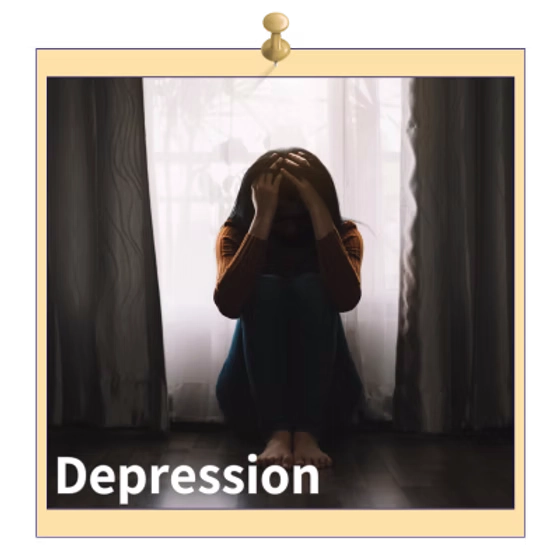
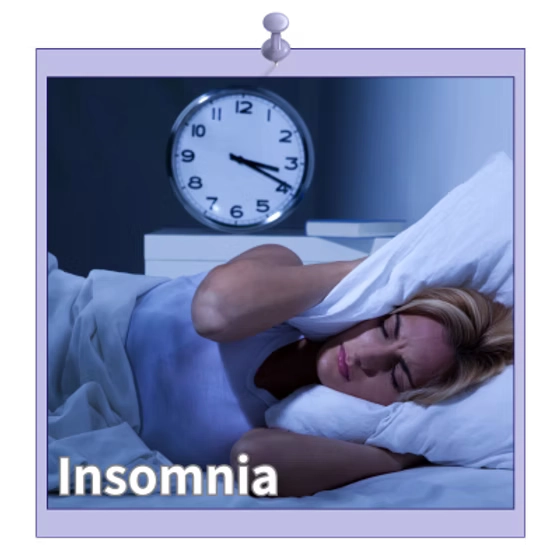
Bipolar Disorder (also known as Manic–Depressive Illness or Bipolar Affective Disorder) is a chronic psychiatric condition. Its hallmark is the repeated fluctuation of mood between manic episodes and depressive episodes. During mania, patients may present with elevated mood, heightened energy, and accelerated thought processes. During depression, they often experience low mood, loss of interest, and feelings of helplessness. These extreme mood swings go far beyond ordinary emotional ups and downs and can significantly impair daily functioning.
Manic Episode Symptoms
1. Emotional Symptoms
- Abnormally elevated mood: Mood is excessively elevated without an external trigger. Patients may feel unusually cheerful, energetic, or “invincible,” and dismiss concerns from others. This state can reduce risk perception and lead to decisions that feel logical in the moment but are unsafe or costly.
- Irritability and aggression: When others question their behaviours, patients may become easily enraged, sometimes leading to conflict with family members or colleagues.
- Emotional instability: Although elevated mood predominates, emotions can shift rapidly within a short period—from joy to anger or agitation.
2. Thought and Speech Symptoms
- Accelerated speech: Patients may speak continuously at a rapid pace, making it difficult for others to interrupt.
- Flight of ideas: Thoughts jump quickly from one topic to another, often described as “one idea chasing another.”
- Reduced concentration: Difficulty sustaining attention on a single task, often abandoning projects midway.
- Grandiose delusions: Some patients believe they possess extraordinary abilities, such as “I am a genius” or “I can change the world.” In severe cases, psychotic features may emerge, including hallucinations or persecutory delusions.
3. Physical and Behavioural Symptoms
- Reduced need for sleep: Patients may sleep only two to three hours yet remain energetic.
- Excessive activity: Constant involvement in activities, often juggling multiple projects at once.
- Impulsive and risky behaviours: Overspending, reckless investments, dangerous driving, or sudden travel without considering consequences.
- Increased sexual drive: May lead to unsafe sexual practices, creating interpersonal and health risks.
4. Social and Interpersonal Symptoms
- Excessive sociability: Becoming unusually talkative, initiating conversations with strangers, or displaying over‑familiarity.
- Intrusiveness: Interfering in others’ affairs or strongly imposing opinions.
- Interpersonal conflict: Irritability and impulsivity often result in disputes with family, friends, or colleagues.
5. Cognitive and Judgment Impairments
- Poor judgment: Making irrational decisions such as quitting jobs or impulsively marrying/divorcing.
- Lack of insight: Patients may deny being ill, believing they are in an “excellent state,” and refuse treatment.
- Memory gaps: Some patients cannot recall their actions during manic episodes once the episode subsides.
6. Severity of Manic Symptoms
- Hypomania: Milder symptoms, with patients still able to function and sometimes performing exceptionally in the short term.
- Full mania: Severe symptoms that disrupt daily functioning and may require hospitalization.
7. Impact of Mania on Daily Life
- Financial problems: Impulsive spending and risky investments can lead to debt.
- Relationship breakdowns: Irritability and impulsivity strain family and workplace relationships.
- Legal risks: Reckless driving or violent behaviours may result in legal consequences.
- Health risks: Sleep deprivation and overactivity can cause physical exhaustion.
Depressive Episode Symptoms
1. Emotional Symptoms
- Persistent low mood: Long‑lasting sadness, emptiness, or hopelessness, often lasting weeks or months.
- Loss of pleasure: Diminished interest in previously enjoyable activities, including hobbies and social interactions.
- Helplessness and despair: A sense of hopelessness about the future, which is a major risk factor for suicidal thoughts.
- Excessive guilt and self‑blame: Patients often magnify minor errors, perceive themselves as a burden to others, and become preoccupied with trivial concerns.
2. Cognitive Symptoms
- Reduced concentration: Difficulty focusing on reading, studying, or work.
- Slowed thinking: Speech becomes brief, responses delayed, and thought processes sluggish.
- Decision‑making difficulties: Even simple choices may feel overwhelming.
- Negative thought patterns: Persistent pessimism, self‑criticism, and magnification of failures.
3. Behavioral Symptoms
- Social withdrawal: Avoiding interactions, isolating from family and friends.
- Loss of motivation: Spending long periods in bed, neglecting basic needs such as bathing or eating.
- Reduced activity: Noticeable slowing of speech and movement, or alternatively, agitation.
- Self‑harm or suicidal behavior: The most serious risk during depression, ranging from suicidal thoughts to attempts.
4. Physical Symptoms
- Sleep disturbances: Insomnia with difficulty falling asleep or early waking, or hypersomnia with prolonged sleep yet persistent fatigue.
- Appetite changes: Loss of appetite leading to weight loss, or overeating as emotional compensation.
- Fatigue and lack of energy: Feeling drained even after rest.
- Physical complaints: Headaches, gastrointestinal discomfort, or chronic pain without clear medical cause.
5. Social and Functional Impact
- Decline in work or academic performance: Inability to complete tasks, job loss, or interruption of studies.
- Relationship strain: Withdrawal and irritability leading to misunderstandings and tension.
- Difficulty with self‑care: Severe cases may neglect hygiene and daily needs, requiring assistance.
6. Warning Signs of Depression
- Persistent hopelessness
- Frequent talk of death or worthlessness
- Preparing suicide plans or means
These are urgent red flags requiring immediate professional intervention.
7. Age‑Specific Presentations
- Adolescents: Irritability and academic decline may predominate rather than sadness.
- Adults: Often present with reduced work efficiency and social withdrawal.
- Older adults: More likely to report physical complaints, which can lead to misdiagnosis.
Mixed Episodes
Mixed episodes occur when manic and depressive symptoms appear simultaneously. Patients may feel profound despair while also experiencing heightened energy and racing thoughts. This contradictory state is highly distressing and carries elevated suicide risk.
Rapid Cycling
Rapid cycling is defined as four or more episodes of mania, hypomania, or depression within a year. It is more common in women and may be associated with hormonal changes, thyroid dysfunction, or medication effects. Rapid cycling often responds poorly to treatment and requires complex management strategies.
Clinical Risks
- High suicide risk: Particularly in mixed episodes and rapid cycling, where despair coexists with energy and impulsivity.
- Severe functional impairment: Frequent episodes disrupt education, employment, and relationships.
- Treatment challenges: Mixed episodes may worsen with antidepressants, and rapid cycling often requires tailored medication combinations and lifestyle management.