top of page
The Blossom Clinic
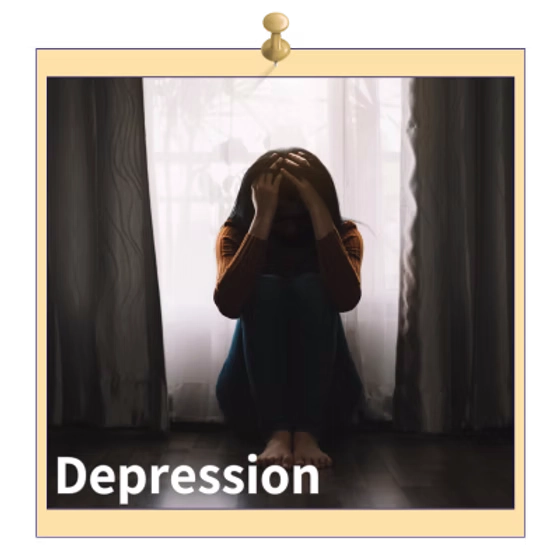
Depression
1en.png

Let’s talk about depression—what do you know about it?

“Is depression just feeling sad?” The answer is no.

Depression (also known as Major Depressive Disorder, MDD) is a common yet treatable mental health condition. It is not simply “feeling down” or “overthinking.” Instead, it is a complex illness involving brain chemistry, emotional regulation, and stress response systems.


🌿 Key Symptoms of Depression

To be diagnosed with depression, symptoms typically last two weeks or longer and interfere with daily life. Common signs include:

  • Persistent sadness or low mood

  • Loss of interest or pleasure in usual activities

  • Changes in sleep (insomnia or oversleeping)

  • Appetite changes (eating more or less than usual)

  • Fatigue or low energy

  • Difficulty concentrating

  • Feelings of worthlessness or guilt

  • In severe cases, hallucinations or thoughts of self-harm


🌍 How Common Is Depression?

According to the World Health Organization (WHO):

  • Around 3.8% of the global population is affected by depression

  • Among adults, the rate is about 5%

  • Women are more likely than men to experience depression

In local studies, 8–10% of adults experience depression at some point in their lives. At any given time, 2–3% of the population may be going through a depressive episode. With rising social pressures, economic instability, and fast-paced lifestyles, the number of people seeking help for depression has been increasing.


💡 Why Early Help Matters

Unfortunately, many people delay seeking treatment due to stigma or lack of understanding. Depression is not a sign of weakness—it is a medical condition that requires care and support.

The good news: Depression is treatable. Effective approaches include:

  • Medication (antidepressants as prescribed by a doctor)

  • Psychotherapy (such as Cognitive Behavioural Therapy - CBT)

  • Lifestyle adjustments (exercise, sleep hygiene, balanced diet etc)

  • Social support (family, friends, community resources)

Early intervention greatly improves recovery and reduces the risk of relapse.


🚨 When to Seek Professional Help

If you or someone you care about has been experiencing:

  • Persistent sadness

  • Loss of interest in life

  • Sleep or appetite changes

  • Difficulty concentrating

  • Thoughts of hopelessness or self-harm

👉 Please do not ignore these warning signs. Seeking professional help is the first step toward healing.


Depression is not a personal failure—it is a treatable medical condition. With the right support, recovery is possible. If you recognize these symptoms in yourself or a loved one, reach out to a mental health professional. Early help saves lives.

Let’s talk about depression—what do you know about it?

Depression is a common mental health issue that affects millions of people around the world. In Hong Kong, the prevalence of depression is also a serious concern. According to a survey by the Mental Health Association of Hong Kong, local depression indicators have reached a record high.

Symptoms of depression include persistent sadness, loss of interest, changes in appetite, insomnia or excessive sleep, fatigue, feelings of worthlessness, difficulty concentrating, and suicidal thoughts. These symptoms can seriously impact a person’s daily life and ability to work.

In Hong Kong, key contributing factors to depression include family conflicts, work-related stress, and strained relationships with partners and close relatives.

Although depression is a serious mental health condition, it is treatable. Seeking professional medical support is a critical first step. In Hong Kong, there are many qualified mental health service providers and specialists available to help.

If you or someone you care about is experiencing symptoms of depression, don’t hesitate—reach out for professional support right away. Early intervention and treatment can significantly reduce symptoms and improve quality of life. Remember, asking for help is not a sign of weakness—it’s a responsible and caring action for yourself and your loved ones.

We hope this information has been helpful. If you need further details or support, please feel free to reach out. 😊

The Blossom Clinic
​Sharing by our Doctors
[Women's Menopause] Emotional Issues During Menopause—Ignore Them and They May Stay With You for Life! Hear What Medical Experts Have to Say! HOY TV Channel 77 "Health Focus"
Are working professionals in a high-pressure phase (‘battle period’) more likely to develop depression due to performance anxiety?
TVB Trendy City | Can Men Experience Menopause Too? | Menopause | Emotional Health Issues
RTHK Healthpedia - Postnatal Depression
The Blossom Clinic
Clinic Environment
treatment-room.png
consultation-room.png
lobby.png
consultation-room2.png
nurse-station.png
The Blossom Clinic
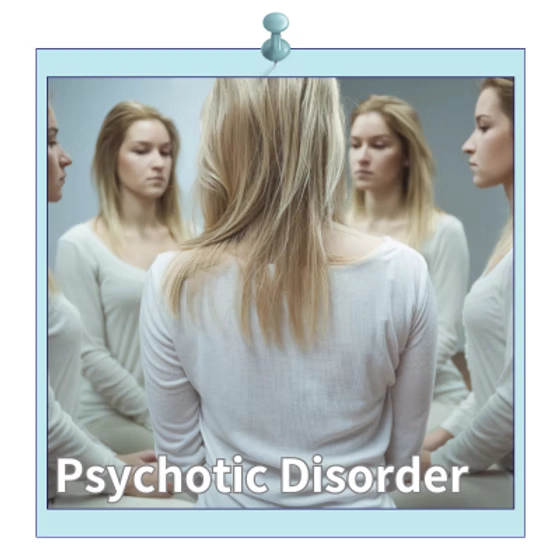
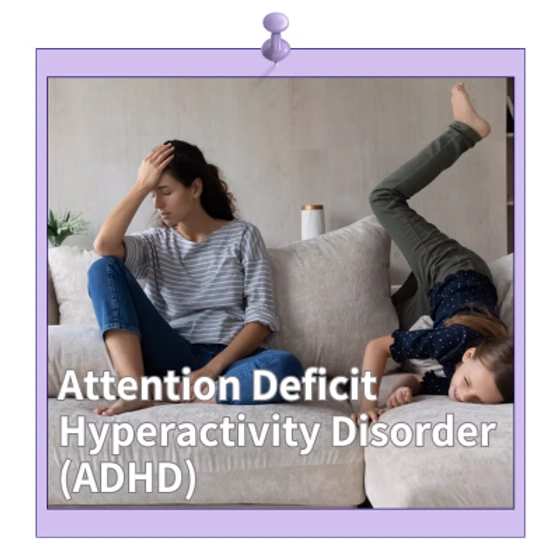
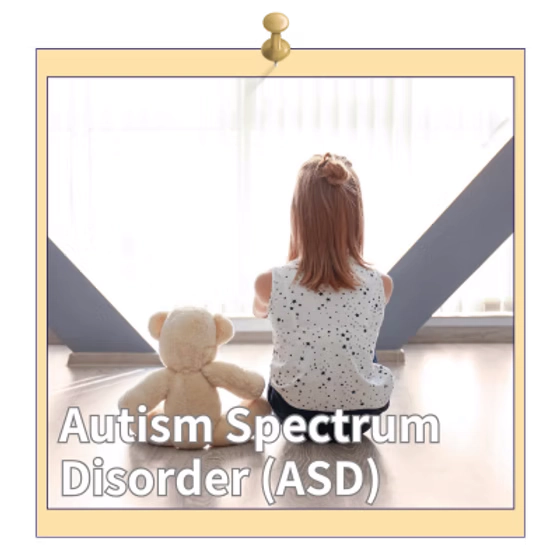
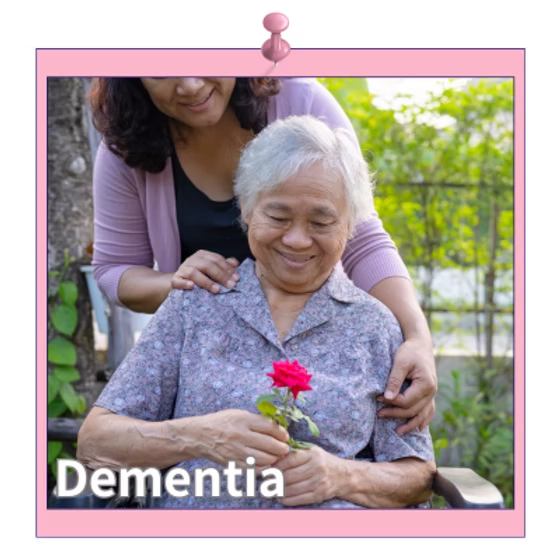
Common Mental Health Issues
1en.png
2en.png
3en.png
4en.png
5en.png
6en.png
7en.png
8en.png
The Blossom Clinic

Room 1204, 12th Floor, Melbourne Plaza,
33 Queen’s Road Central, Central, Hong Kong
(Exit D2, Central MTR Station)

Monday to Frida

9:00 - 18:00

Saturday

9:00 - 15:00

(By appointment only)

Email:info@hktbc.com 

Phone:+852 2838 8188

Fax:+852 2838 8880

  • Whatsapp
  • Facebook
  • Youtube

WeChat: drlilyhk

聯絡寧心醫療

© 2025 by The Blossom Clinic. All rights reserved.

bottom of page